Steel production involves various techniques, each with its own advantages and applications. Here are some common steel production techniques:
-
Blast Furnace Process:
- This is the traditional method for producing iron and steel from iron ore.
- Iron ore, coke (a form of coal), and limestone are loaded into a blast furnace.
- The intense heat generated in the furnace reduces the iron ore to molten iron, which is then combined with carbon to create steel.
-
Basic Oxygen Furnace (BOF):
- The BOF process is a widely used method for making steel from molten iron produced in a blast furnace.
- Oxygen is blown into the molten iron to remove impurities and adjust the carbon content, producing high-quality steel.
-
Electric Arc Furnace (EAF):
- EAFs use electricity to melt scrap steel and other raw materials, such as pig iron or direct-reduced iron.
- It’s commonly used for recycling scrap steel and producing specialty steels, as it allows for precise control of the steel’s composition.
-
Induction Furnace:
- Induction furnaces use electromagnetic induction to heat and melt steel.
- They are often used for small-scale production and specialty steels, as they provide precise temperature control.
-
Direct Reduction Processes:
- These methods produce iron directly from iron ore without the need for a blast furnace.
- Processes like the Midrex and HYL technologies use natural gas to reduce iron ore pellets or lump ore into direct-reduced iron (DRI), which can be used to make steel in EAFs or BOFs.
-
Continuous Casting:
- After steel is melted and refined in a furnace, continuous casting is used to shape it into semi-finished products, such as slabs, blooms, or billets.
- Continuous casting improves the quality and efficiency of steel production.
-
Secondary Refining:
- In this stage, additional refining processes are applied to the molten steel to adjust its chemical composition and remove impurities.
- Secondary refining methods include ladle metallurgy, vacuum degassing, and desulfurization.
-
Rolling and Forming:
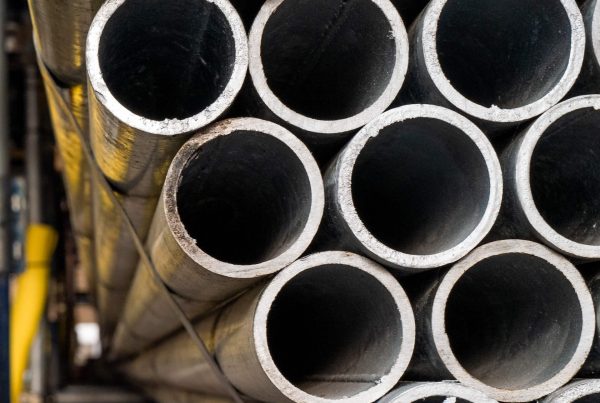
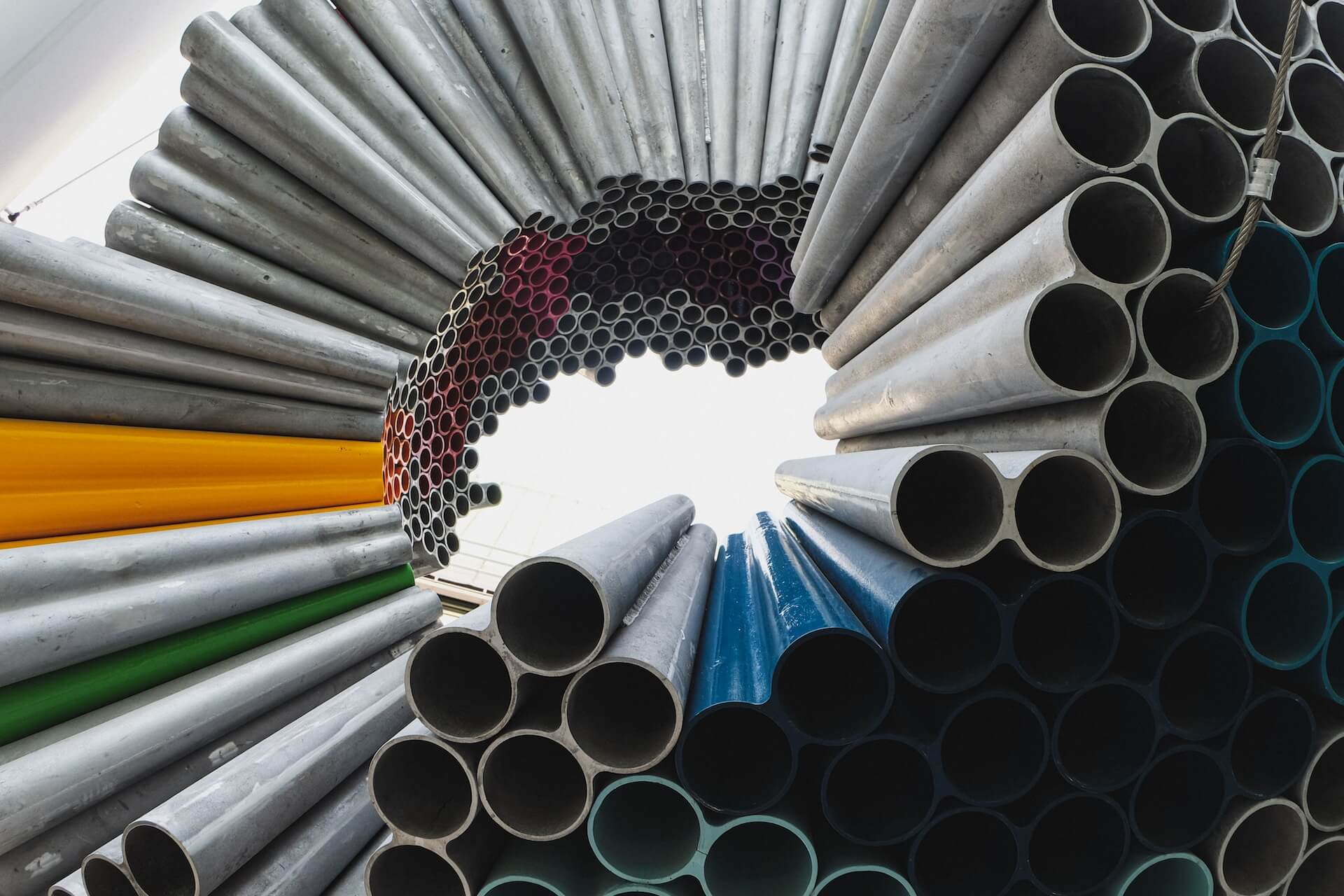
- Once the steel is in the desired shape, it is further processed through rolling mills and forming processes to create finished products like sheets, plates, bars, and tubes.
-
Heat Treatment:
- Heat treatment processes are used to modify the properties of steel, such as hardness, toughness, and ductility, to meet specific requirements.
-
Surface Treatment:
- Surface treatments, such as galvanizing and coating, are applied to protect steel from corrosion and improve its appearance.
These are some of the key techniques used in steel production. The choice of method depends on factors like the type of steel needed, the raw materials available, and the desired product specifications. Advances in technology and sustainability efforts have also led to the development of more environmentally friendly steel production processes.